
The Sugar Truth: Foods We Trust That Raise Blood Glucose
Oat bars, natural honey, a morning juice — these are choices many people make believing they are good for their health. The reality around blood sugar is a little more complicated, and worth understanding.
Find Out More
The Gap Between a Food's Image and What It Does
Many foods carry a healthy reputation that has been built up over decades of marketing and habit. We reach for a glass of orange juice, a spoonful of honey or a bowl of muesli without questioning it — because we were told these choices were good ones.
The difficulty is that "natural" and "low in blood glucose impact" are not the same thing. Some very natural foods — dried fruit, honey, fruit juice — are essentially concentrated sugars with little to slow their absorption. For people paying attention to how blood glucose behaves, these distinctions matter.
This page shares factual, educational information only. Always consult a qualified healthcare professional before making changes to your diet or health routine.
Common Beliefs — and What Is Actually True
A few widely held ideas about food and blood sugar turn out to be more complicated once you look a little closer.
Four Foods Worth Understanding Better
Not every food that raises blood glucose quickly is obvious. These four come up again and again because their healthy image tends to overshadow how they are actually processed by the body.
Granola & Muesli
These breakfast staples often contain large amounts of added syrups, honey and dried fruit. The wholesome appearance on the packet does not always match the sugar content inside. Checking the label before buying is the simplest way to choose wisely.
Juice & Smoothies
Liquid fruit — whether pressed or blended — delivers sugar to the bloodstream with very little to slow it down. Even unsweetened juice behaves more like a sugary drink than like the fruit it came from, simply because the fibre is gone.
Dried Fruit & Dates
When fruit is dried, the water content drops but the sugar stays. The result is that a small handful of raisins or dried apricots contains a large amount of sugar in a compact form — easy to eat too much of without realising.
Honey & Natural Syrups
Honey, agave and maple syrup are marketed as natural alternatives to refined sugar. They are — but they still consist primarily of simple sugars. Using large amounts of any of them will produce a blood glucose response that is quite similar to ordinary sugar.
What You Eat With Something Matters As Much As What You Eat
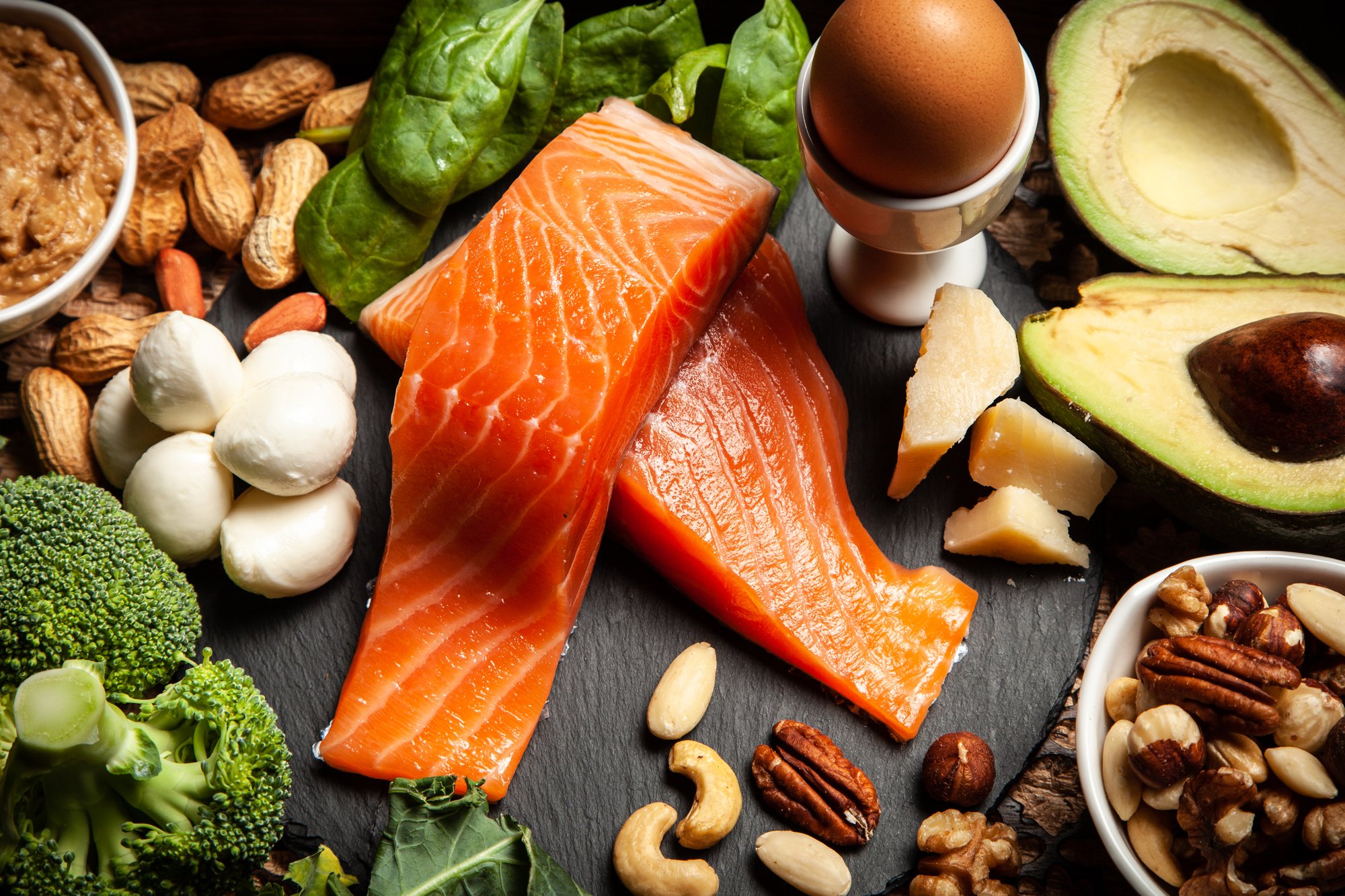
One of the most practical things to understand is that the same food can produce very different effects depending on what surrounds it in a meal. Eating a piece of bread alone on an empty stomach is not the same as eating it alongside eggs, leafy greens and a little oil.
Protein and fat both slow down the digestion of carbohydrates. Fibre from non-starchy vegetables works in the same way. This is why a balanced plate tends to produce less dramatic blood glucose swings than a meal built primarily around starchy or sugary foods on their own.
Understanding this does not require counting anything or following a specific programme — it is simply about building a little more variety into each meal. As always, speak with your doctor or dietitian for guidance that fits your individual health situation.
Getting Comfortable With Food Labels
One of the most useful skills when it comes to managing what you eat is learning to read a nutrition label quickly. The total sugars figure and the ingredients list together tell you most of what you need to know — no specialist knowledge required.
Ingredients are listed by weight, with the most abundant ones first. If any form of sugar, syrup or sweetener appears near the top of the list in a product marketed as healthy, that is a useful signal to look at the numbers more carefully. Sugar has many names on labels — glucose, fructose, dextrose, maltose, sucrose — all of them behave similarly once inside the body.
This is not about avoiding all carbohydrates or all sweetness. It is about making choices with a clear picture of what is in the food you are eating — rather than relying on packaging language like "natural", "wholesome" or "no added sugar", which can be misleading. For personal dietary advice, always consult a qualified healthcare professional.
What People Have Shared With Us
"I never thought to check the sugar content of my granola until a nutritionist mentioned it in passing. When I looked, I found it had more sugar per serving than the biscuits I had been avoiding. Switching to plain oats with a few nuts and seeds was a simple change that felt noticeably different within a couple of weeks."
— Meera V., Mumbai
"My wife and I had been adding a large spoonful of honey to our morning tea every day for years. We genuinely believed it was better than sugar. Once we understood that the effect on blood glucose is largely the same, we simply started using less of it — and after a while we stopped noticing the difference in taste."
— Arvind K., Delhi
"After my doctor mentioned I should be more careful about what I eat, I started reading labels properly for the first time. I was surprised how many products I had trusted for years had sugar listed as a main ingredient. The dates I was snacking on every afternoon turned out to be one of the bigger culprits."
— Sunita M., Kolkata
"I used to have a large glass of carrot and beetroot juice every morning as part of what I thought was a health routine. Learning that cooked and juiced root vegetables can have a high GI was genuinely news to me. I now prefer eating raw carrots as a snack, which feels just as satisfying and is gentler on my system."
— Rajesh B., Surat
"I started pairing my carbohydrate-heavy foods with a protein source after reading about how combining foods slows glucose absorption. Something as simple as adding a boiled egg or a handful of almonds alongside fruit made my energy levels through the morning much more consistent than they had been."
— Divya S., Nashik
Get in Touch
We Are Happy to Help
If you have questions about blood glucose, nutrition information or anything covered on this site, feel free to send us a message.
Email:
hello (at) midicam.icu
Phone:
+91 22 6149 3807
Address:
36, Nariman Point, Mumbai 400021, Maharashtra, India
Frequently Asked Questions
Does eating fruit every day cause problems with blood sugar?
For most healthy people, eating one or two pieces of whole fruit per day is not a concern. Whole fruit contains fibre, which slows down sugar absorption considerably. The issue arises with large quantities, with very sweet tropical fruits in excess, or when fruit is consumed in juice or dried form — where the fibre is absent or greatly reduced.
What does "glycaemic index" actually mean in simple terms?
It is a number from 0 to 100 that shows how quickly a food raises blood glucose compared to pure glucose. Foods with a high number digest fast and cause a rapid rise. Foods with a low number digest more slowly and produce a steadier response. It is a useful guide, but not the only factor — how much you eat of something also matters.
Are oats a good choice for keeping blood sugar stable?
Plain, whole rolled oats are generally considered a good option because they are relatively high in fibre and digest slowly. Instant oats or flavoured oat packets are processed further and often contain added sugars, which changes things considerably. If you eat oats, plain is the better starting point — you can add your own fruit or nuts to taste.
How much does cooking change the GI of vegetables?
It depends on the vegetable and how long you cook it. Boiling starchy vegetables like potato or beetroot for a long time breaks down the starch, making it much easier for your body to absorb quickly. Gentle steaming for a shorter time has less effect. For non-starchy vegetables like broccoli, spinach or courgette, cooking makes very little difference to blood glucose response.
Should I stop eating carbohydrates to manage blood sugar?
Eliminating all carbohydrates is not necessary or advisable for most people. The more practical approach is choosing carbohydrate sources that have a lower GI, eating them in moderate portions, and combining them with protein, healthy fat and fibre. This approach is simpler to maintain long-term and less restrictive than cutting out entire food groups. For advice tailored to your personal situation, speak with your doctor.
Is this page providing medical advice?
No. All content on this site is for general information and educational purposes only. It is not intended to diagnose, treat or replace guidance from a qualified doctor, dietitian or other healthcare professional. Every person's health situation is different, and individual dietary needs vary. Please consult a healthcare provider before making significant changes to your diet.